
Adenoidectomy
Adenoidectomy Surgery in Noida
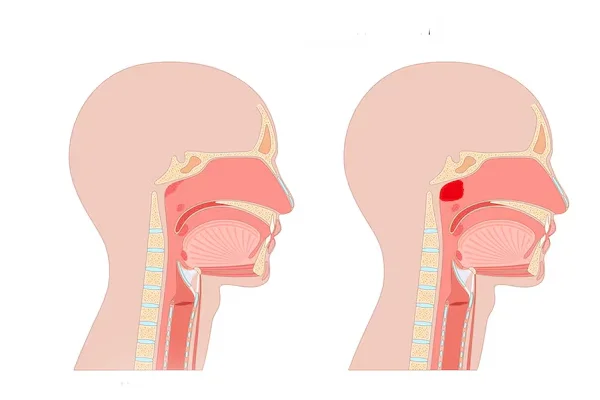
Adenoids are lymphoid tissue located high at the back of the nose, where the nasal passage meets the throat. They help the immune system recognise germs, particularly during childhood. In some children, the adenoids become enlarged or repeatedly inflamed and may contribute to nasal blockage, mouth breathing, snoring, recurrent ear problems or disturbed sleep. Adenoidectomy is an operation to remove this tissue when symptoms and clinical findings indicate that surgery may be appropriate. For people searching for adenoidectomy surgery in noida, understanding the reason for assessment, available options and realistic expectations can make a consultation more useful. Online information cannot establish a diagnosis or determine whether a procedure is suitable for an individual.
A specialist may consider surgery when persistent nasal obstruction, sleep-disordered breathing, recurrent or persistent adenoid infection, or selected middle-ear problems continue despite appropriate non-surgical care. The decision depends on the child's symptoms, examination, medical history and the effect on sleep, hearing, speech or everyday activities. Not every child with enlarged adenoids needs an operation.
Assessment may include a discussion of breathing and sleep symptoms, frequency of infections, hearing concerns, medicines and previous treatments. Examination of the nose, throat and ears helps identify other possible causes. Depending on the situation, nasal endoscopy, hearing tests or other investigations may be recommended. The clinician should explain why surgery is being considered, alternatives, expected benefits and limitations, and the possibility that symptoms may persist if another condition is contributing.
Adenoidectomy is generally performed under general anaesthesia. The surgeon reaches the adenoid tissue through the mouth, so an external skin incision is usually not needed. The tissue is removed using an
appropriate surgical technique, and bleeding is checked before the procedure is completed. The exact approach and whether another procedure, such as tonsil surgery or ear-related treatment, is considered at the same time depend on the individual assessment.
Many children go home on the same day, although observation or admission may be advised for particular medical or anaesthetic reasons. Temporary sore throat, nasal congestion, bad breath, mild ear discomfort or a change in voice resonance can occur. Families should follow the discharge instructions on fluids, food, medicines, activity and school attendance. The recovery period differs from child to child, and the treating team should be contacted if progress is not as expected.
Possible risks include bleeding, infection, anaesthesia-related complications, temporary changes in voice, persistent symptoms or the need for further assessment. Rarely, children with particular palate or speech conditions may have ongoing nasal-sounding speech after surgery. A clinician can explain how these risks apply to the child rather than relying on general statistics.
Understanding treatment choices
A treatment plan should be based on the diagnosis and the patient's circumstances, not on a procedure name alone. Depending on the condition, options may include observation, medication, supportive care, a different procedure or specialist referral. Patients can ask what the recommended treatment is intended to achieve, how success will be assessed, what alternatives are reasonable and what may happen if treatment is delayed. Where several options are appropriate, shared decision-making helps align the plan with clinical evidence and the patient's needs.
Preparing for consultation
Before a visit, note when symptoms began, how often they occur and what makes them better or worse. Bring previous reports, imaging, hearing tests or discharge summaries if available, along with a list of medicines and allergies. Mention previous anaesthesia problems, bleeding concerns, chronic conditions and any relevant tobacco exposure. Ask whether fasting or changes to medicines are required before a planned procedure; do not stop prescribed medication unless the treating team advises you to.
Follow-up and when to seek help
Follow-up is part of treatment, not an optional extra. It allows the clinician to assess healing, review test results, adjust medicines and identify problems that need further care. Seek urgent medical attention for severe or rapidly worsening symptoms, difficulty breathing, uncontrolled bleeding, sudden major hearing or vision changes, or any warning sign specifically explained by the treating team. If symptoms persist or return, arrange reassessment rather than assuming the original diagnosis remains correct.
Patient-centred care in Noida
People looking for adenoidectomy surgery in noida should receive clear explanations of the diagnosis, the purpose of any recommended procedure, alternatives, possible complications and expected recovery. The exact treatment plan for a patient in Noida should be determined after an individual clinical assessment by a suitably qualified
clinician. No procedure can be guaranteed to produce a particular result, and the likely benefit varies according to the underlying condition and overall health.
Frequently Asked Questions
What is adenoidectomy surgery?
It is an operation to remove enlarged or persistently problematic adenoid tissue at the back of the nose when symptoms and clinical findings support surgery.
Is adenoidectomy always needed for snoring?
No. Snoring can have several causes. An ENT assessment helps determine whether adenoids are contributing and whether non-surgical care or another treatment is more suitable.
How long does recovery take?
Recovery varies. Many children resume routine activities within several days, but families should follow the specific discharge advice and avoid strenuous activity until cleared.
Can adenoids grow back?
Regrowth is possible but does not occur in every child. Persistent or returning symptoms should be reviewed to identify the cause.
Is this information a substitute for a consultation?
No. This information is general education and does not replace an examination, diagnosis or individual medical advice. A clinician can explain what applies to your symptoms and medical history.
Are results guaranteed?
No. Outcomes vary with the diagnosis, severity, anatomy, overall health and response to treatment. Ask the treating clinician about likely benefits, limitations, alternatives and risks in your specific case.