Mastoid Surgery
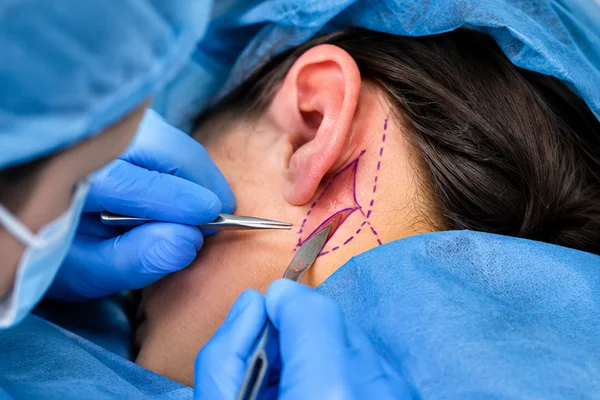
The mastoid is the part of the temporal bone behind the ear that contains air cells connected to the middle ear. Mastoid surgery may be needed when chronic infection or other disease affects this area. It is often considered in selected cases of chronic suppurative ear disease or cholesteatoma, an abnormal collection of skin cells that can damage nearby structures. For people searching for mastoid surgery in noida, understanding the reason for assessment, available options and realistic expectations can make a consultation more useful. Online information cannot establish a diagnosis or determine whether a procedure is suitable for an individual.
Surgery may be recommended when disease persists despite medical treatment, complications are suspected, or cholesteatoma needs removal. The aim may be to control disease, create a safer ear and, where possible, preserve or improve hearing. The exact plan depends on disease extent and the condition of the eardrum and hearing bones.
Assessment includes ear examination, hearing tests and sometimes imaging such as a CT scan. The clinician reviews discharge, pain, dizziness, facial weakness, previous surgery and other health conditions. Patients should understand the intended surgical outcome, the possibility of staged surgery, hearing limitations and the need for long-term ear follow-up.
Mastoid surgery is performed under anaesthesia. The surgeon accesses the mastoid bone and removes diseased tissue while protecting important nearby structures. The technique varies with the disease and may be combined with eardrum repair or reconstruction of hearing structures. The final approach is selected to manage disease safely
After surgery, a dressing or packing may be present and temporary soreness, dizziness or altered hearing can occur. Patients should follow instructions for wound care, keeping the ear dry, activity restrictions and medicines. Follow-up is important because some ear conditions require ongoing cleaning or surveillance even after surgery.
Risks may include bleeding, infection, dizziness, taste disturbance, tinnitus, hearing loss, facial nerve injury or recurrence of disease. Serious complications are uncommon but must be discussed. Sudden facial weakness, severe dizziness, high fever or significant bleeding needs urgent assessment.
Understanding treatment choices
A treatment plan should be based on the diagnosis and the patient's circumstances, not on a procedure name alone. Depending on the condition, options may include observation, medication, supportive care, a different procedure or specialist referral. Patients can ask what the recommended treatment is intended to achieve, how success will be assessed, what alternatives are reasonable and what may happen if treatment is delayed. Where several options are appropriate, shared decision-making helps align the plan with clinical evidence and the patient's needs.
Preparing for consultation
Before a visit, note when symptoms began, how often they occur and what makes them better or worse. Bring previous reports, imaging, hearing tests or discharge summaries if available, along with a list of medicines and allergies. Mention previous anaesthesia problems, bleeding concerns, chronic conditions and any relevant tobacco exposure. Ask whether fasting or changes to medicines are required before a planned procedure; do not stop prescribed medication unless the treating team advises you to.
Follow-up and when to seek help
Follow-up is part of treatment, not an optional extra. It allows the clinician to assess healing, review test results, adjust medicines and identify problems that need further care. Seek urgent medical attention for severe or rapidly worsening symptoms, difficulty breathing, uncontrolled bleeding, sudden major hearing or vision changes, or any warning sign specifically explained by the treating team. If symptoms persist or return, arrange reassessment rather than assuming the original diagnosis remains correct.
Patient-centred care in Noida
People looking for mastoid surgery in noida should receive clear explanations of the diagnosis, the purpose of any recommended procedure, alternatives, possible complications and expected recovery. The exact treatment plan for a patient in Noida should be determined after an individual clinical assessment by a suitably qualified clinician. No procedure can be guaranteed to produce a particular result, and the likely benefit varies according to the underlying condition and overall health.
Frequently Asked Questions
Why is mastoid surgery performed?
It may be used to treat chronic ear disease or cholesteatoma and reduce the risk of further damage.
Will hearing improve after surgery?
The main goal may be disease control; hearing improvement depends on the condition of the ear and any reconstruction performed.
Is long-term follow-up necessary?
Yes. Some conditions can recur or require ongoing cleaning and monitoring. What symptoms need urgent review?
New facial weakness, severe dizziness, high fever, significant bleeding or rapidly worsening symptoms need urgent assessment.
Is this information a substitute for a consultation?
No. This information is general education and does not replace an examination, diagnosis or individual medical advice. A clinician can explain what applies to your symptoms and medical history.
Are results guaranteed?
No. Outcomes vary with the diagnosis, severity, anatomy, overall health and response to treatment. Ask the treating clinician about likely benefits, limitations, alternatives and risks in your specific case.