
Turbinoplasty
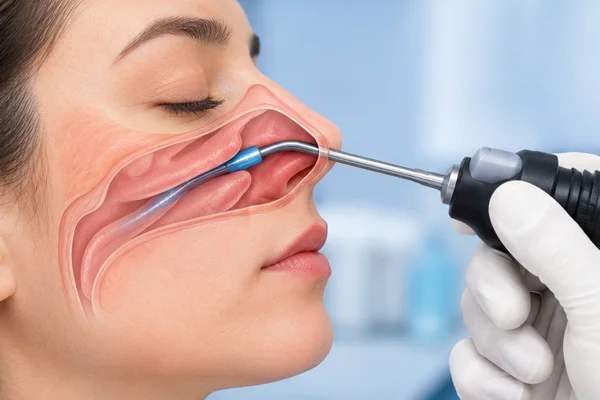
The turbinates are structures inside the nose that warm, humidify and filter inhaled air. When they become enlarged, they may contribute to nasal blockage. Enlargement can be associated with allergies, irritation, inflammation or structural factors. Turbinoplasty reduces turbinate size while aiming to preserve the lining and its normal function. For people searching for turbinoplasty surgery in noida, understanding the reason for assessment, available options and realistic expectations can make a consultation more useful. Online information cannot establish a diagnosis or determine whether a procedure is suitable for an individual.
Turbinoplasty may be considered when persistent nasal obstruction is linked to enlarged turbinates and appropriate medical management has not provided sufficient relief. Treatment of allergic rhinitis, irritants or other causes may be needed before surgery. The procedure is not a universal treatment for all nasal congestion.
Assessment includes the pattern of blockage, allergy symptoms, medication use, previous nasal procedures and examination of the nasal passages. Nasal endoscopy may help evaluate turbinates, septal deviation, polyps or other causes. The clinician explains the planned technique, possible alternatives and the importance of preserving healthy nasal tissue.
Several techniques may be used to reduce turbinate volume, including submucosal reduction or selected energy-based methods. The approach depends on anatomy, symptoms and the surgeon's assessment. Turbinoplasty may be combined with septoplasty or sinus surgery when there are separate indications.
Temporary congestion, crusting, dryness or light bleeding may occur during healing. Saline rinses and follow-up may be recommended. Patients should avoid forceful nose blowing and strenuous activity for the period advised. The final airflow result is assessed after swelling and crusting settle.
Risks include bleeding, infection, adhesions, persistent obstruction, dryness or, rarely, excessive tissue reduction with troublesome dryness. Symptoms can recur if the underlying inflammation remains uncontrolled. Seek medical advice for heavy bleeding, high fever, severe pain or worsening breathing.
Understanding treatment choices
A treatment plan should be based on the diagnosis and the patient's circumstances, not on a procedure name alone. Depending on the condition, options may include observation, medication, supportive care, a different procedure or specialist referral. Patients can ask what the recommended treatment is intended to achieve, how success will be assessed, what alternatives are reasonable and what may happen if treatment is delayed. Where several options are appropriate, shared decision-making helps align the plan with clinical evidence and the patient's needs.
Preparing for consultation
Before a visit, note when symptoms began, how often they occur and what makes them better or worse. Bring previous reports, imaging, hearing tests or discharge summaries if available, along with a list of medicines and allergies. Mention previous anaesthesia problems, bleeding concerns, chronic conditions and any relevant tobacco exposure. Ask whether fasting or changes to medicines are required before a planned procedure; do not stop prescribed medication unless the treating team advises you to.
Follow-up and when to seek help
Follow-up is part of treatment, not an optional extra. It allows the clinician to assess healing, review test results, adjust medicines and identify problems that need further care. Seek urgent medical attention for severe or rapidly worsening symptoms, difficulty breathing, uncontrolled bleeding, sudden major hearing or vision changes, or any warning sign specifically explained by the treating team. If symptoms persist or return, arrange reassessment rather than assuming the original diagnosis remains correct.
Patient-centred care in Noida
People looking for turbinoplasty surgery in noida should receive clear explanations of the diagnosis, the purpose of any recommended procedure, alternatives, possible complications and expected recovery. The exact treatment plan for a patient in Noida should be determined after an individual clinical assessment by a suitably qualified clinician. No procedure can be guaranteed to produce a particular result, and the likely benefit varies according to the underlying condition and overall health.
Frequently Asked Questions
What are nasal turbinates?
They are structures that help warm, humidify and filter air as it passes through the nose.
Is turbinoplasty the same as septoplasty?
No. Turbinoplasty reduces enlarged turbinates, while septoplasty corrects a deviated septum
Can allergies return after surgery?
Yes. Surgery does not cure the allergic tendency, so ongoing allergy management may still be needed. When does breathing improve?
Improvement varies and may become clearer after swelling and crusting settle. Is this information a substitute for a consultation?
No. This information is general education and does not replace an examination, diagnosis or individual medical advice. A clinician can explain what applies to your symptoms and medical history.
Are results guaranteed?
No. Outcomes vary with the diagnosis, severity, anatomy, overall health and response to treatment. Ask the treating clinician about likely benefits, limitations, alternatives and risks in your specific case