
Endoscopic Septoplasty
Endoscopic Septoplasty in Noida
Difficulty breathing through the nose can affect sleep, physical activity, and everyday comfort. One possible cause is a deviated nasal septum, a condition in which the thin wall separating the two nasal passages is displaced to one side. Depending on the degree of deviation, it may restrict airflow and contribute to nasal blockage, congestion, or other nasal symptoms.
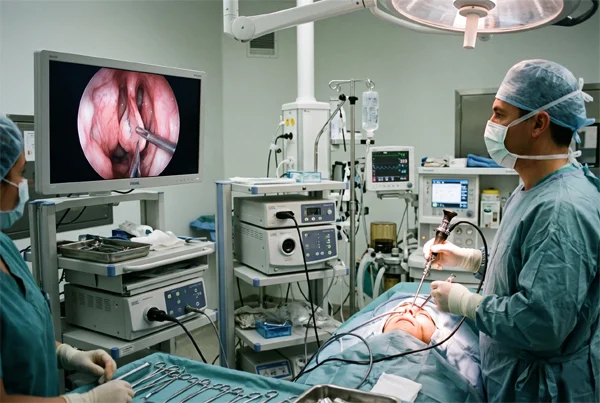
Endoscopic Septoplasty in Noida is a surgical procedure used to correct a deviated nasal septum in selected patients. The procedure uses an endoscope, a thin instrument equipped with a light and camera, to provide a magnified view of the internal nasal structures. This visual guidance helps the surgeon assess the septum and perform the necessary correction.
Dr. Deepika Chaudhary can help patients understand nasal symptoms and the importance of an appropriate clinical assessment. Treatment recommendations depend on the severity of the deviation, the symptoms experienced, and whether other nasal conditions are present.
What Is Endoscopic Septoplasty?
Endoscopic septoplasty is a surgical procedure performed to correct a deviated nasal septum. The nasal septum consists of cartilage and bone that divide the nasal cavity into two passages. When it is significantly displaced, one or both passages may become narrowed.
Some people are born with a deviated septum, while others develop it following an injury to the nose. Mild deviations may not cause noticeable problems and may not require treatment. However, a more pronounced deviation can contribute to persistent nasal obstruction.
During endoscopic septoplasty, the surgeon uses an endoscope to view the internal nasal structures. The deviated portions of cartilage or bone are adjusted or repositioned as required to improve the available nasal airway while preserving adequate structural support.
The procedure is intended to address symptoms caused by septal deviation. It does not necessarily treat every cause of nasal congestion, such as allergies or chronic sinus inflammation.
What Is a Deviated Nasal Septum?
The nasal septum is the internal partition between the right and left nasal passages. Ideally, it allows air to move through both sides of the nose with minimal obstruction.
When the septum bends or shifts away from the centre, the airflow pathway may become narrower. The effect varies from person to person and depends on the location and severity of the deviation.
Common causes include:
-
Developmental differences: The septum may develop unevenly during growth.
-
Nasal injury: Trauma from accidents, falls, or sports injuries can displace the septum.
-
Previous nasal procedures: Structural changes may sometimes contribute to persistent nasal obstruction.
-
Age-related changes: Changes in nasal structures over time may affect airflow in some individuals.
A deviated septum does not automatically require surgery. Treatment is generally considered when the deviation causes significant symptoms and the clinical assessment supports septal obstruction as an important contributing factor.
Common Symptoms of a Deviated Septum
Symptoms vary according to the degree of deviation and whether other nasal conditions are present.
Common symptoms may include:
-
Difficulty breathing through one or both nostrils.
-
Persistent nasal blockage.
-
A sensation that one side of the nose is more congested.
-
Mouth breathing, particularly during sleep.
-
Noisy breathing during sleep.
-
Recurrent nosebleeds in some cases.
-
Difficulty breathing comfortably during exercise.
-
Nasal discomfort associated with obstruction.
Some people may also experience recurrent sinus symptoms. However, sinus infections, allergic rhinitis, enlarged nasal turbinates, and other conditions can produce similar complaints.
A medical examination is important to determine whether the deviated septum is responsible for the symptoms.
When May Endoscopic Septoplasty Be Recommended?
Endoscopic septoplasty may be considered when a deviated septum causes persistent nasal obstruction or other symptoms that affect daily life.
A specialist may evaluate patients who experience:
Persistent Nasal Blockage
When one or both nasal passages remain obstructed, the septum may be contributing to reduced airflow. The examination helps determine whether the obstruction is structural or related to another condition.
Difficulty Breathing Through the Nose
People who regularly struggle to breathe through their nose may benefit from an assessment of the septum, nasal turbinates, and other internal structures.
Sleep-Related Breathing Discomfort
Nasal obstruction may contribute to mouth breathing and disturbed sleep. However, sleep apnoea and other sleep disorders require separate evaluation and should not be assumed to result solely from a deviated septum.
Recurrent Nasal Symptoms
Repeated nasal discomfort or congestion may warrant further investigation, particularly when symptoms persist despite appropriate medical management.
Structural Nasal Obstruction
When examination confirms that a septal deviation is significantly restricting airflow, surgery may be discussed as a treatment option.
The decision to proceed depends on the patient's symptoms, examination findings, medical history, and response to appropriate non-surgical treatment.
How Is Endoscopic Septoplasty Performed?
The procedure is planned according to the patient's nasal anatomy and the extent of the septal deviation.
1. Initial Consultation
The doctor reviews the patient's symptoms, medical history, previous nasal injuries, and any history of nasal surgery. The duration and severity of nasal blockage are also considered.
2. Nasal Examination
The nasal passages are examined to assess the septum and identify other potential causes of obstruction. Nasal endoscopy may be performed to obtain a detailed view of the internal structures.
Additional investigations, including imaging, may be recommended when clinically indicated.
3. Anaesthesia and Preparation
Endoscopic septoplasty is commonly performed under general anaesthesia, although the approach depends on the surgical plan and the patient's circumstances.
The procedure and its potential risks are discussed before surgery.
4. Endoscopic Visualisation
The endoscope provides an illuminated, magnified view of the nasal cavity. This allows the surgeon to identify the deviated portions of the septum and assess the surrounding anatomy.
5. Septal Correction
The surgeon makes an incision inside the nose and carefully lifts the tissue covering the septum. Deviated portions of cartilage or bone are then adjusted, removed, or repositioned as needed.
The aim is to improve airflow while preserving sufficient cartilage and bone to maintain nasal support.
6. Postoperative Monitoring
After surgery, the patient is monitored according to the anaesthesia and postoperative care plan. Instructions are provided regarding nasal care, medication, activity restrictions, and follow-up appointments.
The exact surgical technique and recovery plan may differ between patients.
Potential Benefits of Endoscopic Septoplasty
For appropriately selected patients, endoscopic septoplasty may offer several potential benefits:
-
Improved nasal airflow: Correcting the deviation may reduce structural obstruction.
-
Detailed visualisation: The endoscope provides a magnified view of internal nasal structures.
-
Targeted correction: The surgeon can focus on the portions of the septum contributing to obstruction.
-
Potential improvement in nasal breathing: Patients whose symptoms are primarily caused by septal deviation may experience improved airflow.
-
Support for daily comfort: Reduced obstruction may make breathing through the nose more comfortable.
Results vary according to nasal anatomy, the presence of other conditions, and the surgical findings. Septoplasty does not guarantee complete symptom relief and may not resolve congestion caused by allergies or other nasal disorders.
Recovery After Endoscopic Septoplasty
Recovery varies according to the extent of surgery and the patient's individual healing process. Nasal congestion, mild discomfort, temporary swelling, and a small amount of blood-stained discharge may occur during the early recovery period.
Following postoperative instructions can help support healing.
Patients may be advised to:
-
Rest and avoid strenuous physical activity for the period recommended by the surgeon.
-
Avoid forceful nose blowing until permitted.
-
Use prescribed medication as directed.
-
Perform nasal saline care only as instructed.
-
Avoid inserting objects into the nose.
-
Attend scheduled follow-up appointments.
-
Report increasing pain, heavy bleeding, fever, or other concerning symptoms.
Initial recovery often takes around one to two weeks, although internal healing may continue for several weeks or longer. The timeline depends on the surgical findings and whether additional nasal procedures are performed.
Patients should follow their surgeon's specific advice about returning to work, exercise, and other daily activities.
Possible Risks and Complications
Like other surgical procedures, endoscopic septoplasty carries potential risks. These may include bleeding, infection, persistent nasal obstruction, septal perforation, changes in the sense of smell, adhesions inside the nose, or the need for further treatment.
Changes in nasal appearance are not the intended purpose of routine septoplasty, although structural changes can occasionally occur.
The likelihood of complications depends on individual anatomy, existing nasal conditions, and the details of the procedure. Patients should discuss the potential benefits, limitations, alternatives, and risks with their treating specialist before making a decision.
Endoscopic Septoplasty in Noida With Dr. Deepika Chaudhary
People experiencing persistent nasal blockage or difficulty breathing through the nose may benefit from an evaluation to identify the underlying cause.
Dr. Deepika Chaudhary can help patients understand nasal symptoms and the importance of examining the internal nasal structures. Depending on the findings, assessment may include a clinical examination, nasal endoscopy, or other investigations when necessary.
Endoscopic Septoplasty in Noida may be considered when a deviated nasal septum is contributing significantly to nasal obstruction. The appropriate treatment depends on the severity of the deviation, associated conditions, and the patient's individual needs.
Not every patient with a deviated septum requires surgery. Some symptoms may respond to medical treatment when inflammation or allergies contribute to the obstruction. When structural deviation remains the primary cause of significant symptoms, surgical correction may be discussed.
An informed consultation helps patients understand the available options, expected recovery, potential risks, and realistic treatment outcomes.
Frequently Asked Questions
1. What is endoscopic septoplasty?
Endoscopic septoplasty is a surgical procedure used to correct a deviated nasal septum. It uses an endoscope to provide a magnified view of the internal nasal structures during surgery.
2. Who may need endoscopic septoplasty in Noida?
People with persistent nasal obstruction caused by a deviated septum may be evaluated for surgery. The decision depends on symptoms, examination findings, and whether other treatments are appropriate.
3. Does endoscopic septoplasty improve breathing?
The procedure may improve nasal airflow when septal deviation is an important cause of obstruction. However, symptoms related to allergies, enlarged turbinates, or other conditions may require additional treatment.
4. How long does recovery after endoscopic septoplasty take?
Many patients experience initial recovery within one to two weeks, although internal healing may take several weeks or longer. Recovery depends on the extent of surgery and individual healing.
5. Is endoscopic septoplasty the same as rhinoplasty?
No. Septoplasty corrects the nasal septum to address internal structural problems, while rhinoplasty primarily changes the shape or appearance of the nose. Both procedures may sometimes be performed together when clinically appropriate.
6. What precautions are necessary after endoscopic septoplasty?
Patients may need to avoid strenuous activity and forceful nose blowing, follow prescribed nasal care instructions, and attend follow-up appointments. Specific precautions should be confirmed with the treating surgeon.